Rewind and Resist: The Horror Fans Torching Their Streaming Accounts and Going Back to Tape
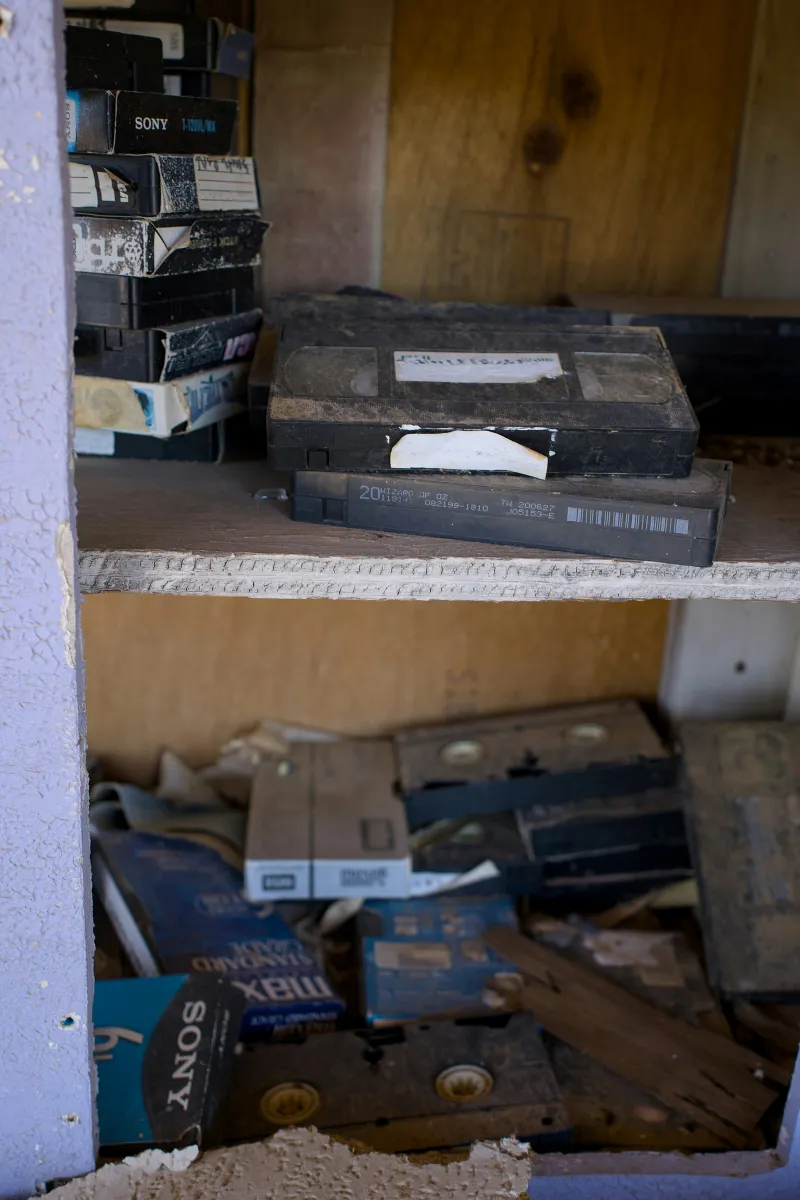
Photo: dusty VHS tapes collection shelves vintage horror cassettes dim light, via images.unsplash.com
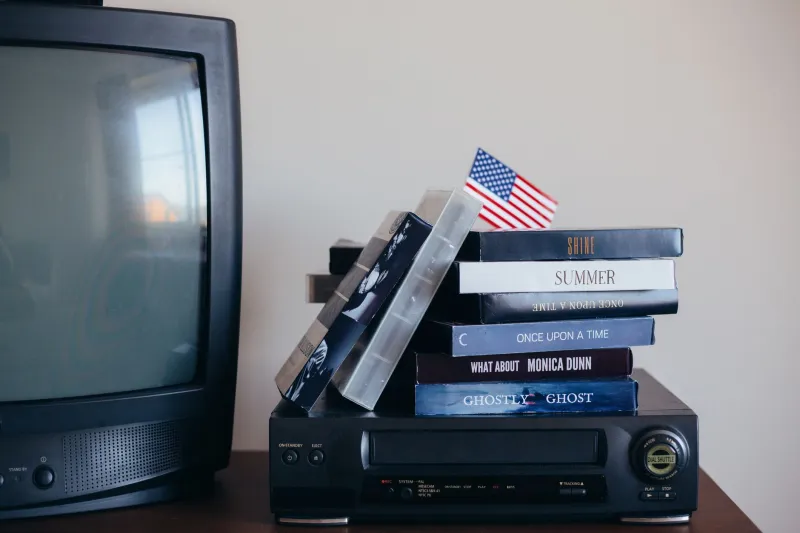
Somewhere in suburban Ohio, a guy named Marcus has a problem most people would consider insane. He owns over four hundred VHS tapes, a stack of LaserDiscs he describes as "functionally irreplaceable," and a modified VCR he paid a retired electronics technician two hundred dollars to restore. He has not paid for a streaming service in three years.
"I got tired of renting things I thought I owned," he says. "And I got tired of waking up one morning and finding out a movie I loved had just vanished."
Marcus is not alone. Not even close.
The Disappearing Library Problem
If you've been paying attention to streaming over the last few years, you know the pattern. A platform acquires a catalog, cultivates a fanbase around it, and then — for reasons ranging from licensing disputes to tax-write-off strategies — quietly removes titles with little warning and no refund. Sometimes they come back. Often they don't.
For mainstream audiences, this is mildly annoying. For horror fans, who frequently build deep, personal relationships with specific films — films that may have shaped their entire relationship with fear, identity, and dark fiction — it's something closer to loss. Real loss. The kind that stings.
And for a growing subset of those fans, it was the last straw.
The movement doesn't have an official name. Online communities call it various things: "physical media preservation," "analog resistance," or just "going back to tape." What it looks like in practice is a deliberate, often passionate rejection of digital convenience in favor of ownership that can't be revoked by a quarterly earnings call.
The Philosophy Behind the Rewind
This isn't just nostalgia, though nostalgia is definitely part of it. Talk to anyone deep in the physical media world and you'll hear a consistent ideological thread running underneath the affection for magnetic tape and jewel cases.
The argument goes something like this: algorithmic curation is a form of control. When a platform decides what you're served, what gets promoted, what gets buried, and what gets quietly deleted, it isn't just shaping your viewing experience — it's shaping your taste, your exposure, and ultimately your understanding of what the genre even is. The horror canon, as experienced through streaming, is the horror canon that corporate content teams decided was commercially viable. Everything else gets filtered out.
For collectors who came up on mom-and-pop video stores, who discovered transgressive and underground films through word of mouth and hand-labeled tape trades, that filtering feels like amputation.
"Streaming gives you the impression of infinite choice," says Delia, a collector in Portland who runs a small physical media lending network out of her apartment. "But it's infinite choice within a very carefully managed set of options. The weird stuff, the challenging stuff, the stuff that never got a major distributor — that's not there. It was never there. And if you only use streaming, you don't even know what you're missing."
The Underground Distribution Networks
Here's where it gets genuinely interesting.
Outside the mainstream collector market — the eBay flippers and the Criterion obsessives — there's a parallel economy built around sharing and preserving horror content that has effectively vanished from legitimate channels. Bootleg VHS duplication networks, private torrent communities with physical media verification requirements, regional swap meets organized through Discord servers and encrypted email lists.
These aren't piracy operations in the traditional sense, though the legal grey areas are real. Many of them focus specifically on films that are genuinely unavailable through any legal means — titles that have fallen out of copyright, films whose rights are tied up in estate disputes, international productions that never received US distribution, and obscure regional horror that was never commercially released to begin with.
The people running these networks talk about what they do in terms of preservation, not theft. And honestly, when a film exists on exactly three known VHS copies in the world and no studio has any financial interest in digitizing it, the preservation argument is hard to dismiss.
"If we don't do it, it's gone," says one organizer who asked to be identified only as "Reel." "Not gone like it moved to a different platform. Gone like it never existed. That's not something I'm okay with."
What You Lose When You Go All-Digital
There's a tactile dimension to physical media that streaming genuinely cannot replicate, and it matters more than tech evangelists want to admit.
A VHS tape of a horror film from 1983 carries information that the clean digital transfer doesn't. The grain, the tracking artifacts, the particular quality of darkness that analog formats produce — these aren't flaws. For a certain kind of horror viewer, they're part of the experience. They're what made those films feel dangerous when you first watched them at 2 AM on a cousin's TV while everyone else was asleep.
The degradation is the atmosphere. The imperfection is the dread.
Collectors who've returned to physical media consistently describe a qualitative shift in how they experience horror — more focused, more ritualistic, more present. You can't scroll past a tape. You can't have seventeen other options one click away. You put the cassette in, you commit, and the film takes you somewhere.
That's not an accident. That's how horror was designed to work.
The Preservation Anxiety Underneath It All
At the heart of the analog holdout movement is something that goes deeper than aesthetics or ideology. It's anxiety — specifically, the anxiety of impermanence.
Horror fans, perhaps more than any other entertainment community, have a complicated relationship with the idea that things disappear. It's kind of the whole genre. And there's something acutely unsettling about watching the films that shaped your interior life vanish from platforms without ceremony, without warning, without anyone being held accountable.
Physical media is a hedge against that. A tape on a shelf can't be remotely deleted. A disc in a case doesn't require a subscription to access. The thing you love stays where you put it.
"I know it sounds dramatic," Marcus says, "but there's something about owning the physical object that feels like the film is safe. Like I'm keeping it safe. And for the stuff that really matters to me — the films that changed how I think about things — that matters."
It does. It absolutely does.
And if that means rewinding a tape by hand in 2025, so be it.