The Price of Admission to the Darkness: How Horror Fandom Became a Class System
Horror has always sold itself as the genre of the outsider. The misfit. The kid who didn't fit the mold and found kinship in the shadows instead. It's a founding myth the community returns to constantly — horror is for everyone who was ever told they were too weird, too dark, too much.
Except, increasingly, it isn't for everyone. Not equally. Not even close.
The Tape That Proves You Belong
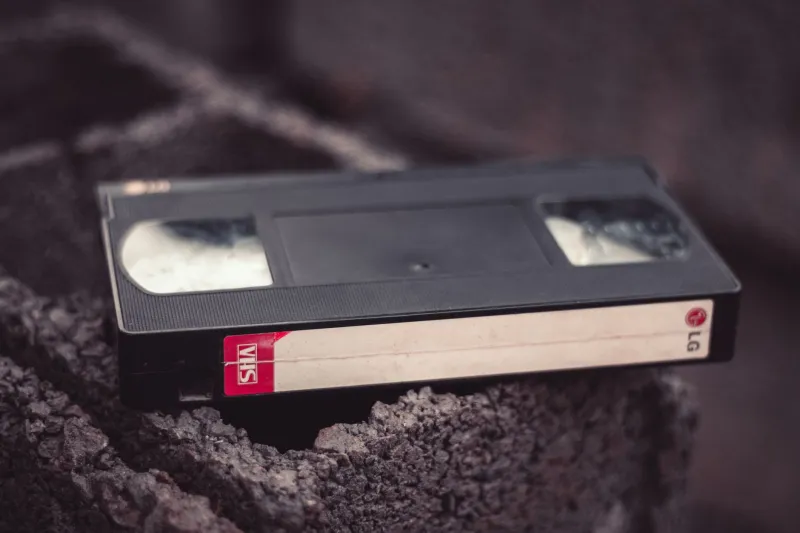
In certain corners of horror fandom, a beat-up VHS tape in a generic black case can carry more social weight than a graduate degree. The tape in question might be a shot-on-video regional slasher from 1984 that screened at exactly one drive-in before disappearing. It might be an uncut European import that never cleared US customs. It might be something darker — something that lives in the genuinely transgressive territory that the genre's more extreme devotees seek out.
The content almost doesn't matter as much as the possession. The tape is proof. Proof that you've gone further, dug deeper, spent more — in money, in time, in willingness to wade through the genuinely uncomfortable. In the economy of hardcore horror fandom, scarcity is the currency and obscurity is the exchange rate.
A legitimately rare SOV (shot-on-video) horror title in good condition can fetch several hundred dollars on eBay. Certain titles go higher. The market exists not because these films are technically accomplished — many of them are objectively rough — but because owning them signals something. It signals that you're serious in a way that someone who just watches Netflix horror is definitionally not.
The Architecture of In-Group Status
Every subculture develops hierarchies. That's not unique to horror. What's interesting about horror's version is how deliberately it mirrors the genre's own obsessions — access to forbidden things, the willingness to go where others won't, endurance of what others can't handle.
The gatekeeping isn't always conscious. Most of the people doing it would bristle at the label. But spend time in hardcore horror communities — the serious collector forums, the private Facebook groups, the Discord servers that require references to join — and the layering becomes visible pretty quickly.
At the base level, you have casual fans. People who watch Hereditary and Midsommar and call themselves horror people. In the eyes of the next tier up, these people barely count. They're consuming prestige horror, the kind that gets reviewed in the New York Times and wins independent film awards. It's horror with the edges sanded off.
Above them are the genre faithful — people who can discuss the Universal Monsters and the Italian giallo tradition and the New French Extremity with genuine fluency. They've done their homework. They have opinions about Argento versus Fulci that they will defend at length.
Above them are the collectors and the underground devotees. The people with the tapes. The people who've attended Exhumed Films' 24-hour horror marathons in Philadelphia or the Chicago Fear Fest. The people who get invited to private screenings of things that aren't on any streaming platform and never will be.
And then there's whatever lives above that, which most people in the fandom only hear about in secondhand whispers.
Economics and the Illusion of Pure Passion
Here's where the class angle stops being metaphorical and becomes literal.
Building a serious horror collection — the kind that buys you credibility in the upper tiers of the fandom — requires money. Not just a little. Rare VHS tapes, limited-edition Blu-rays from boutique labels like Vinegar Syndrome or Arrow Video, original theatrical posters, props, and memorabilia — a serious collection can run into tens of thousands of dollars.
The boutique label market is particularly revealing. Vinegar Syndrome and Severin Films do incredible archival work, and genuine cinephiles treasure their releases. But a limited slipcover edition that sells out in hours and immediately appears on eBay for three times the price isn't just about loving film preservation. It's a commodity market wearing a passion project's clothes.
The people who can participate in that market are, by definition, people with disposable income and the flexibility to monitor release announcements in real time. Which means the "I'm more dedicated than you" posturing that drives a lot of horror gatekeeping is, in practice, partly a measure of financial access.
The kid who grew up watching horror on a crappy TV with rabbit ears and a stack of recorded-off-cable tapes — the one who embodies the founding myth of horror as a genre for outsiders — may be the most authentically devoted person in the room. But they don't have the receipts. Literally.
The Underground Festival Circuit
Exclusive screening events add another layer to this ecosystem. Underground horror festivals — some legitimate, some operating in legally ambiguous territory — function as credentialing ceremonies for the truly initiated. Getting in requires knowing someone, or knowing someone who knows someone. The films screened are frequently unavailable anywhere else. The experience is unrepeatable.
This creates a particular kind of cultural capital that's almost impossible to acquire with money alone. You can't just buy your way into certain rooms. You have to be vouched for. Which sounds egalitarian until you realize that the vouching networks were built by people who already had access — and that they tend to vouch for people who look, talk, and think like them.
What the Genre Loses
None of this is unique to horror. Every artistic community that starts as a refuge for outsiders eventually develops insiders. That's just how it goes.
But horror's particular mythology — the genre that welcomes the rejected, that belongs to the people who were always told they were too much — makes the gap between the myth and the reality especially sharp. When the genre that supposedly had no gatekeepers turns out to have some of the most aggressive gatekeepers in entertainment fandom, something has been lost.
The darkness was supposed to be for everyone who needed it.
Somehow, it got a velvet rope.