Together in the Dark: How Horror Fandom Became America's Strangest Support Group
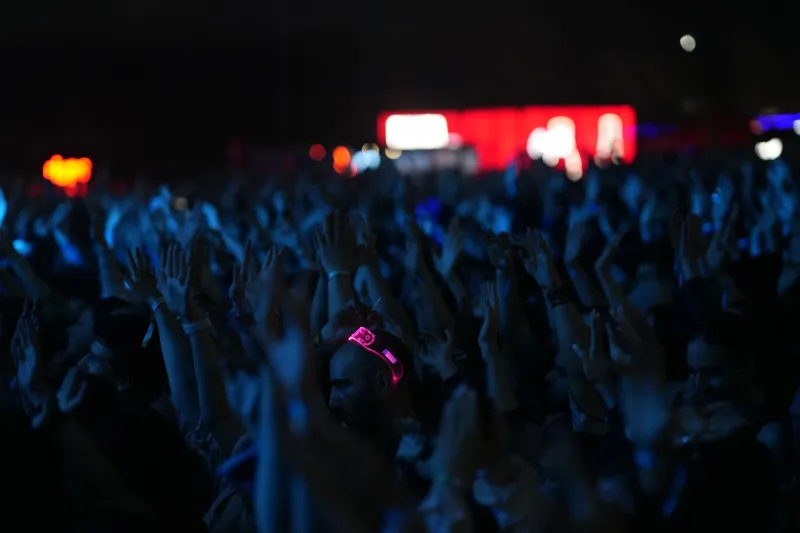
Something strange happens when you pack a few hundred horror fans into a hotel conference room in a mid-tier American city on a Saturday morning. People who couldn't hold a conversation at a work happy hour are suddenly hugging strangers, finishing each other's sentences, and making plans to road trip to the next con together. There's an ease to it that feels almost suspicious — like belonging shouldn't be this accessible, this fast, this real.
Except for a lot of these people, it is real. Maybe the realest thing they've got.
Horror fandom has quietly evolved into one of the most emotionally dense communities in American pop culture. And the more isolated daily life gets — remote work, fractured neighborhoods, social media that simulates connection without actually delivering it — the more that community is pulling people in with something that looks a lot less like entertainment and a lot more like oxygen.
Why Fear Works as Social Glue
There's actual neuroscience behind why shared fear accelerates bonding. When you experience something frightening alongside another person, your nervous systems sync up. Cortisol spikes, adrenaline moves through you, and the brain starts tagging the people nearby as part of your survival story. That's not a metaphor — it's a documented physiological response. Researchers studying haunted house experiences have found that couples who go through them together report increased feelings of attraction and closeness afterward.
Scale that up to a fandom. Now you're not sharing one haunted house — you're sharing years of the same films, the same Reddit deep-dives, the same 3am Discord conversations about whether a particular director's entire filmography is secretly about grief. You've built a shared emotional vocabulary. And for people who've struggled to find that kind of resonance in everyday relationships, that vocabulary feels like a lifeline.
Horror fans have long known they were a tribe. What's shifted is how explicitly that tribe has started functioning as a community in the fullest sense — with its own hierarchies, rituals, celebrities, and emotional stakes.
The Discord at 2am
Log into any mid-size horror Discord server on a weeknight and you'll find something that looks less like a fan forum and more like a group therapy session with better memes. People talk about what scared them as kids. They share their anxiety diagnoses alongside their film recommendations. They check in on each other after rough days. They celebrate each other's small wins.
None of this is incidental. It's the point.
For a meaningful slice of horror fandom — particularly younger fans, and people who've historically struggled with in-person socialization — these spaces have become primary social environments. Not supplementary. Primary. The horror thread is where they process their week. The group watch party is their Friday night. The inside jokes from a beloved slasher franchise are the shorthand they use to communicate who they are.
There's nothing inherently wrong with any of that. Human beings have always organized their social lives around shared cultural objects — sports teams, religious traditions, neighborhood bars. Horror fandom is just another version of that ancient wiring. The question worth sitting with is what happens when the shared object starts doing more emotional work than the relationships themselves.
When the Fandom Becomes the Fortress
Here's the uncomfortable thing about finding your people through horror: the same qualities that make the community feel safe can make it feel sealed. Horror fans are famously protective of their space. There's a gatekeeping culture — not universal, but persistent — that can make outsiders feel unwelcome and insiders feel like leaving would mean losing everything.
When your social identity is tightly fused with a fandom, the stakes of that fandom get weird. Criticism of a beloved film starts to feel like criticism of you. Someone leaving the community reads as abandonment. And the deeper you go, the harder it becomes to maintain relationships with people who don't share your references, your rhythms, your particular flavor of dark.
Isolation doesn't always look like being alone in a room. Sometimes it looks like being surrounded by people who only know one version of you.
The Creator Economy Complication
Lay over all of this the current landscape of horror content creation, and things get thornier. The horror creator ecosystem — YouTube essayists, Patreon-funded podcasters, Substack writers, Twitch streamers doing horror game playthroughs — has become extraordinarily skilled at manufacturing intimacy at scale. These creators talk directly to camera. They share personal stories. They respond to comments. They make their audience feel known.
And their audiences, many of whom came to the community because they were lonely, respond by investing enormous emotional energy in these one-sided relationships. They buy the merch. They defend the creator in comment sections like they're defending a friend. They feel genuine grief when a creator takes a break or ends a project.
This isn't unique to horror — parasocial dynamics run through every corner of fan culture. But horror has a specific intensity to it. The emotional register is already dialed up. The community already runs on vulnerability and shared darkness. When a creator steps into that space and says I see you, I get you, we're in this together — even if that message is being delivered to fifty thousand people simultaneously — it lands differently.
The ethical line isn't always obvious. Some creators genuinely care about their communities and build spaces that give back more than they take. Others have figured out that loneliness is a subscription model and they're running a very efficient business. The fans in both situations often can't tell the difference until something breaks.
Finding Real Ground
None of this means horror fandom is a trap. The connections people make in these communities are often genuine, lasting, and genuinely life-changing. Ask horror fans about their best friendships and you'll hear story after story that started with a forum post or a convention panel or a Discord DM about a film nobody else in their life had seen.
The thing worth holding onto is the difference between a community that opens doors and one that quietly closes them. The healthiest corners of horror fandom are the ones that push people outward — into theaters, into local events, into friendships that exist off-platform, into a version of themselves that's bigger than their taste in films.
Shared darkness, at its best, isn't an endpoint. It's a way in — a door that swings open because two people were scared of the same thing at the same time and decided that was enough to start talking.
Just make sure the door swings both ways.