No Disclaimer at the Bottom: The Found-Audio Horror Boom and the Thrill of Not Knowing

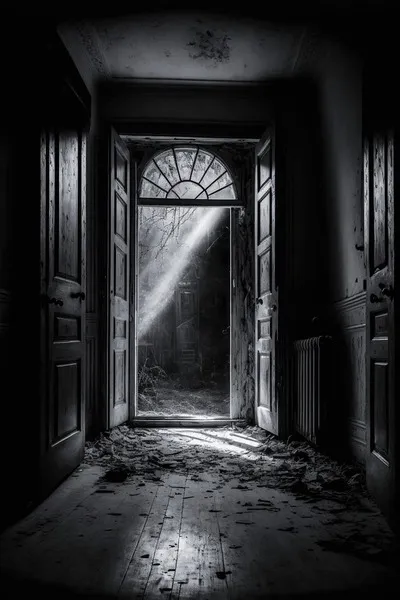
Photo by Photo by neil godding on Unsplash on Unsplash
You are driving home at night. A podcast episode opens with a 911 call. The dispatcher sounds tired. The caller sounds young. The audio is just clean enough to be real and just messy enough to be fake. There is no disclaimer at the top. No narrator says, “This is a work of fiction.” You keep listening because you are not sure what you are listening to.
That uncertainty is the product. Found-audio horror has been around for years, but in 2026 it is having a moment. The format has matured from creepy-campfire storytelling into something closer to immersive theater. Shows use documentary pacing, voicemail segments, recovered tapes, dispatch recordings, and listener-submitted “evidence.” The best ones do not just tell a story. They build a world that feels like it could leave a paper trail.
The Format Is the Trick
Found-audio horror works because audio is intimate and unreliable at the same time. You cannot see the room. You cannot verify the face. You only have voices, background noise, and the shape of a story being told by someone who may not be telling you everything.
The current wave borrows heavily from true crime and documentary podcasts. That means cold opens, ambient room tone, interview clips, and the occasional awkward pause. It also means the shows often sound cheaper than they are. A little hiss. A phone line. A door closing in another room. The production is designed to feel found, not polished.
Creators maintain the illusion in small ways. Actors stay anonymous or use character names. Shows build websites for fictional towns and fake local news pages. They release episodes on schedules that mimic investigations. They let the audience fill in gaps. And they rarely break character in the feed itself.
Why We Want to Be Fooled
Horror fans are trained to scan for lies. We watch for the tell. We listen for the line that gives away the twist. So why do we love a format that refuses to confirm what it is?
Because ambiguity is engagement. When a show does not tell you whether it is real, your brain keeps working after the episode ends. You search the names. You check the locations. You read the subreddit. You become part of the investigation, even if the investigation is fiction.
There is also a deeper appeal. Real life is full of audio we cannot verify: voicemails, emergency calls, security footage, TikToks with no context. Found-audio horror takes that modern condition and turns it into a haunted house. It does not ask you to believe in monsters. It asks you to believe that the recording is real enough to be dangerous.
Where the Illusion Cracks
The problem starts when immersive fiction stops feeling like a game. If a podcast uses a real phone number, listeners will call it. If it names a real town, people will show up. If it presents a missing person as evidence, some listeners will treat it as a case. That is not a spoiler problem. It is a consent problem.
The most responsible shows build clear boundaries without ruining the mood. They put disclaimers in show notes. They use fictional area codes. They make it obvious that actors are actors once you look beyond the feed. The least responsible shows treat confusion as marketing. That can work for a season. It can also turn a fandom into a nuisance.
There is a line between “Is this real?” and “I am going to make this real for someone else.” Found-audio horror lives near that line. The best creators know it.
What to Listen For
If you want to get into the format, start with the classics that helped build it. Limetown is still a master class in documentary-style dread. The Magnus Archives shows how episodic horror can grow into a mythology. The White Vault uses isolation and recorded logs to make the cold feel personal.
Then pay attention to how the new stuff handles the illusion. Does the show give you a way out? Does it respect the difference between a fictional emergency and a real one? Does it reward curiosity without encouraging harassment?
The thrill of found-audio horror is not that you cannot tell what is real. It is that you get to sit in that uncertainty for an hour, with the doors locked, and then turn it off. The shows that understand that are the ones worth your headphones.