Rule Book Torn: Five Horror Commandments the Genre Just Stopped Following
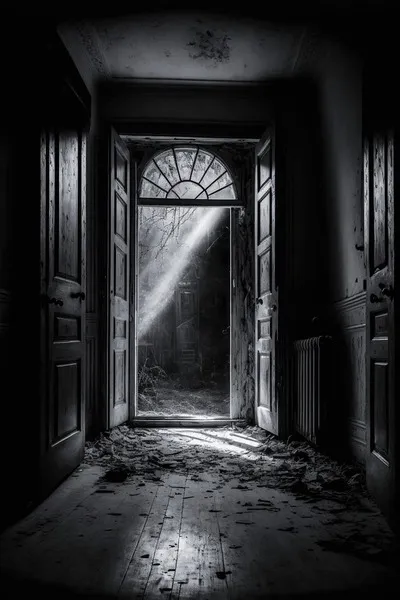
Photo: creepy old wooden door slightly ajar in dark hallway horror atmosphere, via www.shutterstock.com
Horror used to come with instructions. Sit through enough movies and you could recite them like a catechism: never say you'll be right back, never investigate the noise, never, ever assume the killer is dead. The rules were the genre's contract with the audience — follow them and survive, break them and bleed.
Modern horror got famous by shredding that contract. And honestly? The genre's never been more interesting. Here are five commandments that don't mean what they used to, and the movies that prove it.
Rule One: Never Open the Door
The door was the genre's original membrane between safety and everything else. Opening it was always a death sentence — so modern horror made the door the least of your problems. The threat doesn't knock anymore. It's already inside, or it isn't physical at all. Films like The Babadook made the monster something you bring home in your own grief; It Follows made walls and locks cosmically irrelevant. The scariest recent horror isn't about what gets past the door. It's that there was never a door.
Rule Two: Never Split Up
The old logic: the group is survival, and splitting up is how the movie thins the herd. New horror inverted it — the group is the threat. The Thing started it, but films like The Descent and a decade of survival horror finished the job: staying together just means everyone's in the blast radius. The modern dread is that the person beside you in the dark is the reason for the dark.
Rule Three: The Black Character Dies First
The genre's most shameful rule got named, mocked, and finally dismantled. Candyman and Tales from the Hood were early reckonings, but the real turn was Jordan Peele's Get Out — a film where the horror isn't that the Black character dies first, it's what white America would do to keep him. Us, Sinners, and the wave that followed didn't just break the rule; they made the rule itself the monster. The genre's old casting habits turned into subject matter, and the result is some of the sharpest social horror ever made.
Rule Four: The Phone Never Works
Dead battery, no signal, static on the line — the phone was how horror kept the plot alive by cutting off rescue. Contemporary horror realized the scariest thing isn't a phone that doesn't work. It's one that does. Screen-life horror like Searching and Unfriended turned connectivity itself into a haunted house: the call goes through, the footage is crystal clear, and it doesn't save anybody. We're never out of contact anymore. That's the nightmare now.
Rule Five: Survive and It's Over
The final girl escaping into the sunrise was the genre's promise: endure the night, earn the morning. Modern horror kept the ending and killed the promise. Hereditary doesn't end with survival meaning anything. The Witch ends with a victory that's also a damnation. The rules said survive and you win; the new horror says the winning is the trap.
What the Broken Rules Tell Us
Here's why this matters beyond film-nerd trivia: the rules were always a map of what the audience believed. The old rules assumed danger was outside, strangers were threats, and safety was a place you could reach. The broken rules assume the opposite — the threat is inside the house, the group, the phone, the family, ourselves.
That's the anxiety update. America stopped being afraid of the dark outside and started being afraid of what we built inside it.
So the next time a character opens the door, splits the party, or answers a call with full bars — don't groan. Take notes. The rule book is dead, and what's replacing it is a much more honest monster.