Gorgeous and Gone: How Social Media Turned Death Into a Vibe
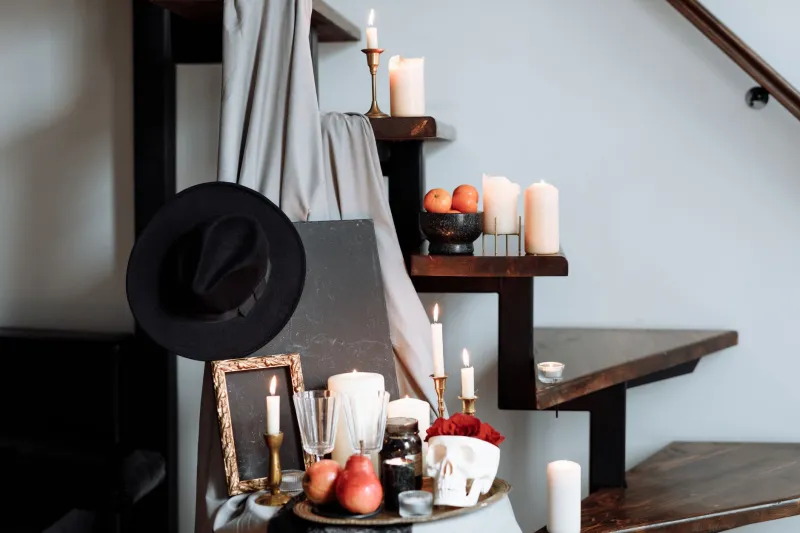
Scroll TikTok for twenty minutes in the right corner of the algorithm and you'll find it. A bedroom decorated entirely in black velvet and dried flowers, candles burning in front of a framed anatomical heart print, a voiceover about the Victorian practice of photographing the dead — all set to something slow and reverbed that used to be a pop song. The creator is seventeen and has 400,000 followers. The comments are full of heart emojis and people asking where they got the skull.
This is the death aesthetic. It has a thousand names — dark academia, goblin core, goth lite, mortuary chic — and it has colonized Pinterest boards, Instagram feeds, and TikTok's For You page with a thoroughness that would have seemed impossible even five years ago. Mortality has become content. Dread has become a decorating philosophy. And the horror crowd is watching with a mix of recognition, delight, and something that feels uncomfortably like territorial irritation.
From Underground to Algorithm
Let's be clear about what's actually new here. Humans have always aestheticized death. The Victorians were genuinely unhinged about it — mourning jewelry made from the hair of the dead, elaborate post-mortem photography, a whole lexicon of grief rituals that look completely alien to modern eyes but made perfect sense to people for whom death was constant and proximate. The Day of the Dead. Memento mori. Vanitas paintings. The skull has been a design element for literally centuries.
What's new is the delivery mechanism. When you run mortality aesthetics through a platform optimized for engagement, reach, and trend acceleration, you get something that behaves very differently from how it behaved in underground subcultures or art history books. You get death, but make it shareable. You get dread, but make it aspirational.
The algorithm doesn't care about the philosophical weight of your skull imagery. It cares whether people are stopping their scroll.
And they are stopping their scroll. In enormous numbers.
The Romanticization Question
Here's where it gets complicated, and where the horror community's reaction gets interesting.
Traditional horror — the kind that lives on Blood Cube, that gets discussed in obsessive detail in fan forums, that gets defended as legitimate art — has always maintained a specific relationship with death. Horror respects death by making it ugly, by making it hurt, by refusing to let it be comfortable. The genre's power comes precisely from its refusal to aestheticize mortality into something manageable. Death in horror is supposed to cost something.
The death aesthetic on social media does something very different. It makes mortality beautiful. Soft. Curated. It removes the smell and the weight and the irreversibility and replaces them with candlelight and good color grading. A gothic bedroom on Pinterest is not engaging with death. It's engaging with death's vibes, which is a fundamentally different project.
This drives a certain type of horror purist absolutely insane, and their frustration is not entirely without merit. There's a real argument that aestheticizing death sanitizes it in ways that ultimately serve the platforms rather than the people consuming the content. If death becomes a mood board category, does it lose the capacity to actually disturb us? Does the endless repackaging of mortality into shareable content make us less able to sit with the genuine, unglamorous terror of it?
Maybe. But the counter-argument is worth taking seriously.
What Gen Z Is Actually Doing
It's easy to read the death aesthetic trend as avoidance — a generation so overwhelmed by actual existential threat (climate collapse, economic precarity, the general vibe that the adults have left the building) that they've retreated into a prettified, defanged version of the darkest subject matter. And there's probably some truth to that.
But it's also reductive.
There's a long tradition in marginalized communities of reclaiming the symbols of your own annihilation. Queer culture has done this with camp — taking the things that were used to demean and transforming them into something fierce and celebratory. Horror subcultures have always done something similar with death imagery, adopting the skull and the grave as identity markers precisely because mainstream culture told them those symbols were wrong.
When Gen Z decorates their bedrooms with mortality imagery and posts it to TikTok, some of what's happening is genuine philosophical engagement. This is a generation that grew up knowing they will almost certainly experience climate-driven catastrophe. That grew up doing active shooter drills. That watched a pandemic kill over a million Americans while their government argued about it on cable news. Their relationship with death is not abstract. They know it's coming for them, probably ahead of schedule, and possibly for reasons that aren't fair.
The aestheticization of death, in this context, isn't necessarily avoidance. It might be a form of radical acceptance — a way of saying yes, I see you, you're real, and I'm going to put you on my wall instead of pretending you don't exist.
That's actually pretty dark. In the good way.
Where Horror Fits Into All of This
For horror fans who want to engage with this trend rather than dismiss it, there's actually some genuinely interesting territory here.
The death aesthetic has created a massive pipeline of young people who are already comfortable sitting with mortality imagery, already interested in the darker registers of human experience, already aesthetically primed for horror's visual language. The kid who spent a year building a gothic shrine in their bedroom and posting it to TikTok is probably pretty ready for Suspiria. Their friend who's obsessed with Victorian mourning photography might be the exact right audience for The Others.
The aesthetic gateway is real, and horror should be paying attention to it.
Some horror creators already are. The most visually striking horror content circulating on social media right now is explicitly designed to live in the same aesthetic space as the death-vibe trend — beautiful and deeply wrong at the same time, images that reward the eye while quietly poisoning the mood. It's horror that understands the algorithm without surrendering to it.
The Edge That Remains
Here's the thing about aestheticizing death that the platforms don't advertise: it doesn't actually make death less scary. It just changes where the fear lives.
You can build the most gorgeous mortality-coded bedroom on TikTok, get a hundred thousand likes, and still wake up at 3am genuinely terrified of the dark. The skull candle on your nightstand doesn't immunize you against the real thing. It might actually keep the subject closer than you'd otherwise let it get.
And that's where horror and the death aesthetic, for all their differences, are actually doing the same work. They're both keeping death in the room. They're both refusing the cultural mandate to look away, to keep it clean, to pretend the end isn't coming.
One does it with beautiful candles. One does it with a machete.
Both are saying the same thing underneath: this is real, and we're not going to pretend otherwise.
That's transgressive enough to matter, regardless of how many likes it gets.