Fed By the Feed: How the Algorithm Learned to Serve You Your Darkest Cravings
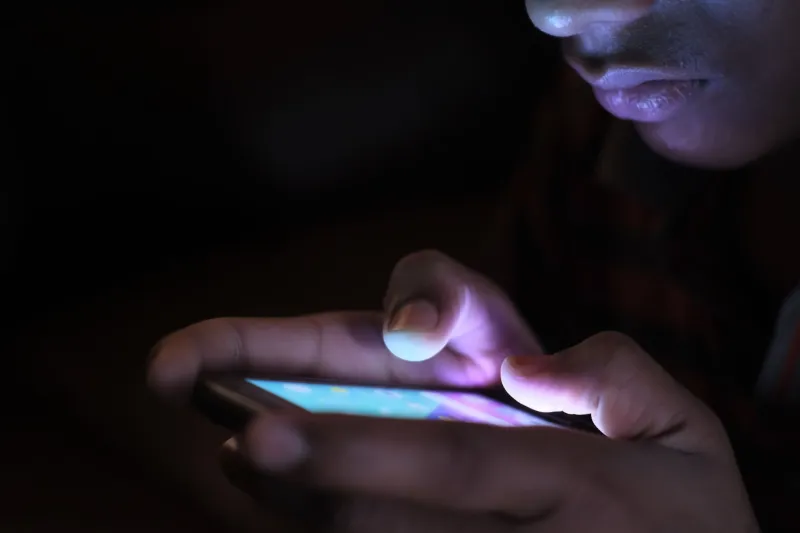
It starts innocently enough. You pause on a TikTok about urban legends for maybe three seconds longer than you meant to. You don't even finish the video. But somewhere in a server farm you'll never visit, a number shifts. A preference is logged. And the next time you open the app, the darkness has moved a half-step closer.
This is the quiet machinery behind what a lot of horror fans are now calling their "rabbit hole" — that slippery, exhilarating descent from mainstream spooky content into genuinely unsettling territory that would've taken serious effort to find just ten years ago. The algorithm didn't just find your taste for dark entertainment. It cultivated it.
The Recommendation Engine as Horror Auteur
Let's be clear about what these systems actually do, because the tech-speak tends to flatten something that's genuinely weird and a little scary. Platforms like YouTube, TikTok, and Instagram Reels don't just track what you watch — they track how you watch it. Scroll speed. Rewatch behavior. Whether you share something or screenshot it. Whether you hesitate before swiping away. That hesitation? That half-second where your thumb slows down over something disturbing? That's a data point. And it's worth more to the algorithm than a dozen casual likes.
Over time, these micro-signals build what researchers sometimes call a "taste graph" — a behavioral fingerprint that's frighteningly accurate at predicting not just what you like, but what you almost like. What you're curious about but wouldn't consciously seek out. The stuff that lives at the edge of your comfort zone.
For horror audiences, that edge is exactly where things get interesting. And the platforms know it.
Darker by Degrees
Here's the mechanism that nobody talks about plainly enough: recommendation engines are optimized for engagement, and engagement spikes when content triggers strong emotion. Fear is one of the most potent emotional responses a human being can have. It sharpens attention. It makes you stay on the screen. It makes you come back.
So when YouTube's algorithm notices that you spent an extra forty seconds on a video about haunted locations before clicking away, it doesn't file that under "user was mildly creeped out and left." It files it under "high-arousal content, revisit threshold not yet reached — serve adjacent material." The next recommendation is slightly more intense. Then slightly more intense again. This isn't a conspiracy. It's just math optimized for a metric that happens to rhyme with our most primal psychological vulnerabilities.
The result is a kind of automated content escalation that horror fans know intimately. You start with a polished YouTube documentary about famous haunted houses. Three weeks later you're deep in a channel dedicated to unverified "real" ghost encounters filmed on shaky phone cameras in rural Louisiana. A month after that, you've found a corner of TikTok where people share experiences that blur the line between paranormal content and something that genuinely feels like it shouldn't be public. You didn't go looking for any of it. The feed brought it to you.
Supply, Demand, or Something More Sinister?
The platform companies, when pressed, lean hard on the supply-and-demand argument. People want edgier content, they say. We're just connecting audiences with creators. And look — there's truth in that. The market for dark entertainment has never been bigger. Horror is a multi-billion-dollar industry. True crime podcasts dominate download charts. Creepypasta communities have been thriving for over a decade. The appetite is real.
But the demand argument gets messier when you consider that the algorithm doesn't just respond to existing demand — it actively shapes it. Serving someone incrementally darker content over weeks and months doesn't reflect their preferences. It creates new ones. There's a meaningful difference between giving people what they want and engineering a system that expands the boundaries of what they want without them noticing.
Some researchers studying media consumption patterns have started using the term "preference drift" to describe this effect. Your baseline for what counts as "dark enough" quietly shifts upward. Content that would have felt extreme six months ago now reads as baseline. The algorithm hasn't radicalized you in any political sense — but it has recalibrated your tolerance for intensity, and it did it one recommended video at a time.
The Creators Caught in the Middle
One group that doesn't get enough attention in this conversation is the horror content creators themselves — the YouTubers, the TikTok storytellers, the independent filmmakers grinding out short horror content for platform audiences. Many of them have noticed the same pattern from the production side.
Creators who make horror content will tell you that the pressure to go harder, stranger, and more extreme is constant and mostly invisible. It's not that anyone at TikTok calls them up and says "make it darker." It's that the metrics speak for themselves. Videos that push further get more reach. The algorithm rewards escalation with distribution. And in a creator economy where reach is survival, that reward structure shapes what gets made.
So you end up with a feedback loop: the algorithm pushes dark content to users who engage with it, which signals to creators that darker content performs, which produces more extreme material, which the algorithm then distributes to an audience that's been gradually primed to receive it. Nobody's twirling a mustache. The whole thing runs on incentive structures and engagement metrics, which somehow makes it feel even more unsettling.
Your Personal Horror Curator Has No Ethics Department
Traditional media gatekeepers — editors, studio executives, broadcast standards boards — made plenty of bad calls over the years. But they existed. There were humans in the loop making judgment calls about what was too much, what served a purpose, what was darkness with craft behind it versus darkness for its own shock value.
The algorithm has no such filter. It doesn't distinguish between a brilliantly crafted horror short that uses dread to illuminate something true about human experience, and raw, uncontextualized content that's disturbing in ways that might genuinely harm certain viewers. Both generate engagement. Both get served. The curation is entirely amoral, not because the platforms are evil, but because the system was never designed to make those kinds of distinctions.
For horror fans, that's a complicated reality to sit with. The same system that surfaces incredible underground horror content you'd never find otherwise — the weird, ambitious, boundary-pushing stuff that never gets mainstream distribution — is the same system that will happily walk you into territory that has nothing artistic going for it at all.
Navigating the Dark Feed
None of this means you should delete your apps or swear off algorithmic content. That's not a real answer, and honestly, some of the best horror discovery happening right now is algorithm-assisted. The feed finds things. That's genuinely useful.
But it's worth being intentional about what you're engaging with and why. That moment of hesitation before you swipe away from something disturbing? The algorithm reads it as interest. Sometimes it's right. Sometimes you were just processing something that didn't sit well with you, and there's a difference.
The platforms built a machine that learned to speak fluent dread. It's gotten very, very good at it. The question worth asking isn't whether you're being served dark content — you are, and some of it's great. The question is whether you're choosing it, or whether by now, it's choosing you.