The Feed Knows: What Your Horror Algorithm Has Figured Out About You That Your Closest Friends Haven't
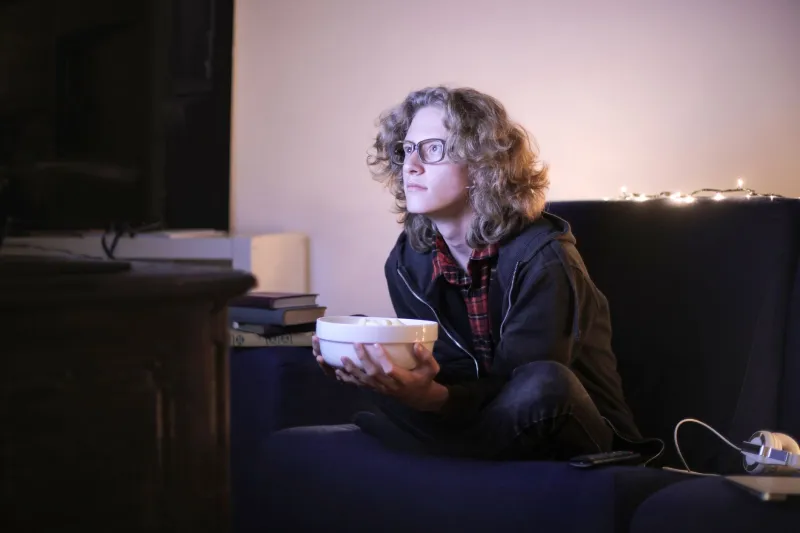
Somewhere around 2 a.m. on a Tuesday, you finished a slow-burn folk horror film you'd never heard of before the algorithm served it up. You didn't tell anyone. You didn't post about it. You just sat there in the dark, a little shaken, and wondered how it knew.
That's the thing about your recommendation feed. It doesn't ask how you're doing. It doesn't need to. It already knows.
The Machine That Watches You Watch
Streaming platforms collect a genuinely unsettling amount of behavioral data. Not just what you watch, but how you watch it. Where you pause. What you skip. How long you linger on a thumbnail before clicking away. Whether you finish something at 11 p.m. or 3 a.m. matters. Whether you bail on a film after twenty minutes or rewatch the last ten minutes four times matters even more.
For horror fans specifically, this data gets weird fast. Horror is one of the few genres where viewing patterns are almost confessional in nature. The subgenres you gravitate toward, the specific flavor of dread you keep returning to — that's not just taste. That's architecture. That's the shape of something you haven't said out loud to anyone.
Algorithms don't have opinions about that. They don't flinch. They just feed you more of whatever you couldn't stop watching, and they're usually right in a way that feels slightly invasive.
Intimacy Without Language
Think about what it takes for a friend to really know your taste in horror. You'd have to explain yourself. You'd have to admit that you don't just like ghost movies — you like ghost movies where the haunting is clearly a metaphor for grief, and specifically grief that nobody around the main character acknowledges. You'd have to confess that slashers bore you unless the final girl has something genuinely wrong with her, not just trauma in the backstory but something broken in how she moves through the world.
Most people never have that conversation. It's too specific. It sounds strange when you say it.
But you don't have to say any of it to the algorithm. You just have to keep clicking. And it assembles the portrait without you ever having to sit across from someone and explain what the darkness means to you.
There's something almost tender about that, if you're willing to squint at it right. And something deeply uncomfortable if you're not.
The Profiling Problem
Here's where it gets less cozy. The same data that helps Netflix figure out you'd probably love a particular Croatian horror film from 2019 is also data about psychological vulnerability. Viewing patterns in horror correlate with real emotional states in ways researchers are only beginning to map. Heavy consumption of isolation horror. Repeated returns to body horror after certain hours. A sudden pivot from supernatural content to true crime and back again.
None of that is neutral information. And the platforms holding it aren't therapists. They're not even particularly interested in you as a person. They're interested in keeping you on the platform, which means the algorithm's goal is engagement, not wellbeing. It will recommend the thing most likely to keep you watching, and it doesn't care whether that thing is good for you.
That's a meaningful distinction. A friend who really knew you might say, hey, maybe don't watch three more movies about people being abandoned tonight. The algorithm will say, here are seven more, and they get progressively darker.
When the Feed Becomes a Mirror
Horror fans talk a lot about the genre as a safe container for things that feel unsafe — fear, grief, rage, the specific dread of feeling like something is wrong and not being able to name it. The genre holds all of that without judgment, which is part of why it attracts people who feel like they can't be fully legible to the people around them.
The algorithm extends that function into something almost eerie. It doesn't just hold your darkness. It maps it. It catalogs it. It learns the exact contours of what you need when you're in a particular state and queues it up before you've consciously admitted what state you're in.
Some Blood Cube readers have described this as a comfort. The feed gets it. The feed doesn't make you explain. You open the app and it's already pointing at something that fits the specific shape of tonight, and that's a kind of being known that's genuinely hard to find in other people.
Others describe a creeping unease. The sense that something is watching them watch. That the portrait being assembled is accurate in ways they haven't consented to. That a corporation knowing the precise frequency of their darkest interests is not the same as being understood, even if it feels that way at 2 a.m.
What the Machine Can't Do
The algorithm can identify patterns. It cannot tell you what the patterns mean. It can serve you a film that fits the exact shape of a grief you haven't processed. It cannot sit with you while you process it. It can recognize that you keep returning to horror about people who disappear without explanation. It cannot ask you who you're afraid of losing.
That gap — between being accurately profiled and being genuinely known — is where the whole thing gets philosophically uncomfortable. Because the intimacy feels real. The recommendations feel personal. But there's no one on the other side of it. There's a model. There's a prediction. There's a very sophisticated guess.
Your friends might get your horror taste wrong. They might recommend something that completely misses the mark, that shows they've misread something fundamental about what you're drawn to. That failure is actually evidence of a real relationship, of someone trying to understand you with imperfect tools and incomplete information.
The algorithm doesn't fail that way. And maybe that's the most unsettling thing about it.
Keep Clicking
None of this is an argument for deleting your streaming accounts or avoiding the feed. The horror it surfaces is often genuinely good. The recommendations are often genuinely useful. And the experience of feeling understood, even by a machine, even imperfectly, is not nothing.
But it's worth sitting with the question of what you're getting from the feed and what you're not. Whether the intimacy it simulates is filling a space that might be better filled by an actual conversation with an actual person who gets you wrong sometimes because they're actually trying.
The algorithm knows your darkness. Whether it understands it is a different question entirely. And maybe the more important one.